Imagine two public restrooms. One is located near a bustling community playground and sports complex. Another is a remote trailhead surrounded by open land.
Both provide the same essential service, but treating these as identical structures will not take into consideration the different ways in which these locations operate.
The choice of the site is crucial to building good public restrooms. Who will use the facility? How many people can arrive simultaneously? What amenities are available? How far are visitors required to take a walk? What architectural style surrounds the building?
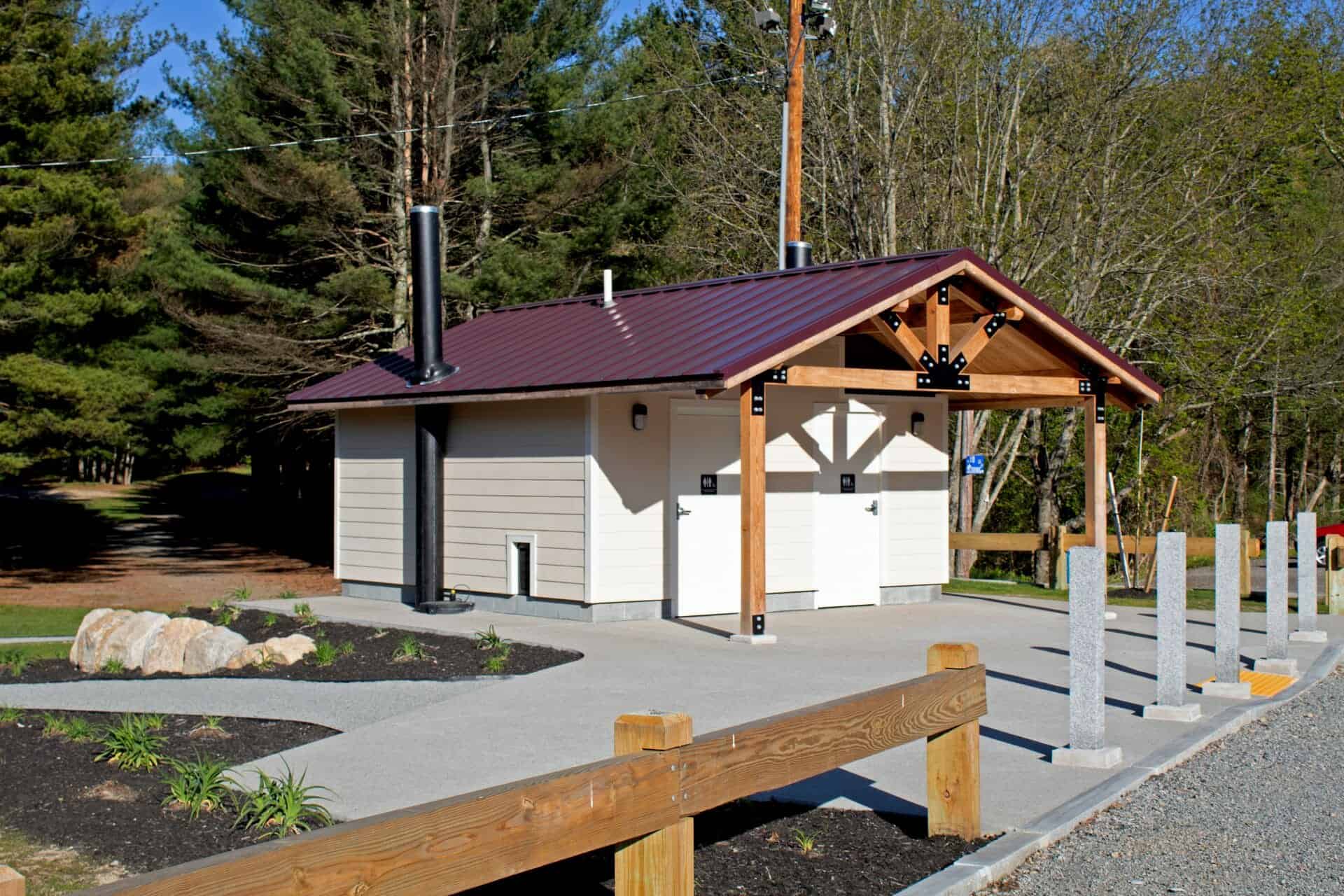
Image credit: romtec.com
These answers will affect almost all decisions that are made.
Begin by watching how people traverse the site.
Toilets’ location shouldn’t be considered as a separate thing from the rest and style of the park. People can arrive in large numbers at a sports complex to watch the games or other events. It is essential that a bathroom with a playground is situated in a location that is convenient that is accessible to families, as well as integrate into the flow of pedestrians. In a downtown setting, sidewalk restrooms may have to work within a tighter footprint and complement nearby streetscape features.
The structure is just one element of the experience. Location is influenced by surrounding environment and accessibility, as well as pathways and activities.
Remote sites cause a distinct problem
The project should be moved away from the developed street and utility infrastructure. The standard sewer service might not be available in a scenic spot or in remote recreation areas trails, campgrounds, trailheads or other areas. Vault toilets can be an option which can be utilized in locations where the traditional plumbing infrastructure isn’t feasible or impossible.
The design conversation is now distinct. Instead of deciding on a specific building, project teams should evaluate the location’s conditions to determine which bathroom system is best for that location.
Capacity ought to reflect the real-world usage
The patterns of visitors to a quiet neighborhood park and regional sports facilities are different. Demand during peak times is vital. A facility that is deemed adequate in a typical Tuesday afternoon may face different conditions on a Saturday festival, tournament or any other type of community event.
Owners can design their building around the need for the bathroom, taking into consideration its capacity, layout and fixtures, in addition to access to maintenance.
The flexibility of prefabricated park restrooms can be a huge benefit to the organizations that are interested in the building. Instead of requiring the space to be a certain model, the building can be customized to meet the needs of the project.
Architecture is still a part of the conversation
The appearance of a restroom is essential, however it shouldn’t be ignored since the purpose is far more important. The restroom is an important element of the landscape for everyone to enjoy. Forms for roofs, siding fixtures, colors, masonry, and other architectural details may help in connecting it to nearby pavilions, concession buildings as well as natural surroundings. an established community design theme.
Romtec’s unique approach permits project teams to incorporate different types of materials, colors, forms and exterior styles instead of having to adhere to one standard appearance.
Design for Place, not Just the Design for Place.
Romtec works with park managers, landscape architects, and contractors to design and construct restroom buildings as well as other public buildings. Its expertise covers documenting the construction process, code issues, ADA issues, engineering design, selecting of components and construction in the United States.
However, the important start point is really simple. Decide on what kind of bathroom you’d like build. First, you must understand what’s already taking place on the location that includes activities, people and infrastructure. Plan the structure that will fit within.