Water and wastewater infrastructure has evolved far beyond simple gravity-based systems. Pumping systems designed by engineers are crucial to ensure that water flows safely and efficiently as communities expand and land is becoming more difficult to develop. A properly designed pump station supports everything from wastewater collection and stormwater control to potable water distribution and industrial operations.
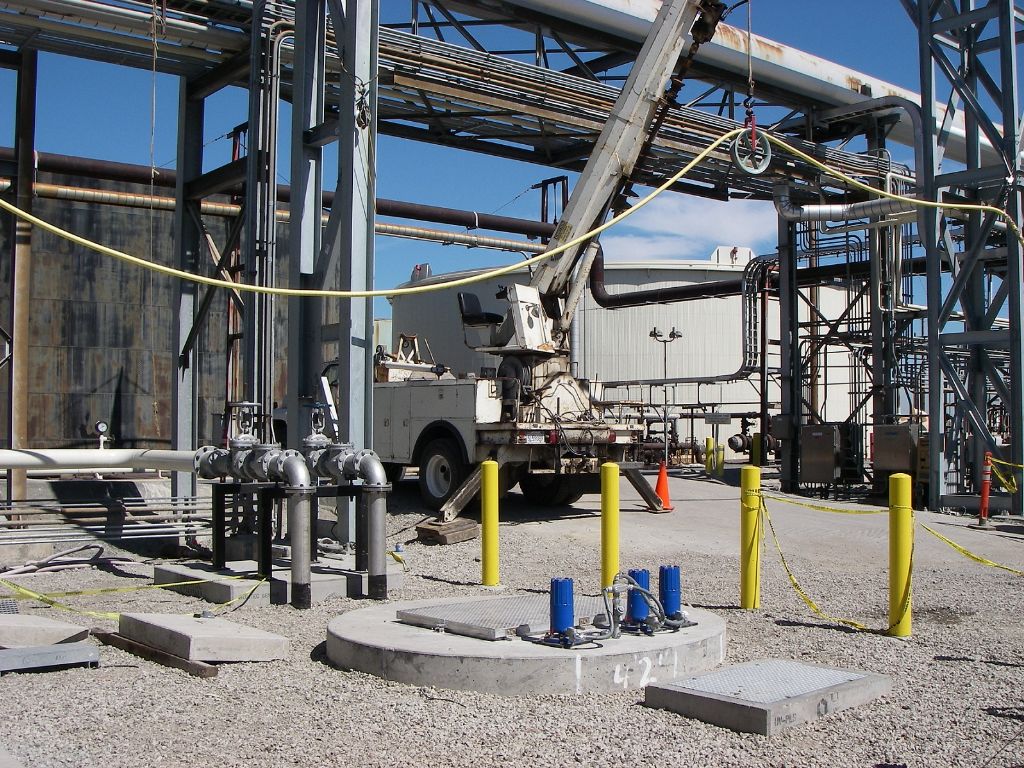
Each pumping project has a distinct set of challenges that include elevation changes as well as flow demands water quality, the need for ownership. Making these considerations clear during the design phase can help to reduce the risk of long-term operational problems and helps ensure that the system functions according to the specifications for years.
Why Package Pumping Systems Have to Be Specific to the Project
A packaged pumping system is designed as an entire, integrated system rather than a collection of components that are available off the shelf. The environmental conditions of the site, the type of pump and the operational objectives all influence how a system should be designed. Different configurations of pumps and control methods are required in commercial projects, municipal facilities, as well as industrial installations.
Engineers can aid in making better decisions through the creation of initial plans based on the flow rate and duty point locations and the lifetime cost. This approach minimizes redesigns which can lead to costly costs during construction, and sets expectations between stakeholders from the beginning.
Modern Development and Wastewater Lifting Stations
In order to adapt to the growing urban areas sewer infrastructures will have be modified to fit new terrains and larger service areas. A wastewater lift station allows sewage flow to be carried from lower elevations to higher point of collection to ensure reliable transfer to treatment facilities. They can be crucial when gravity flow is not sufficient to satisfy the demands.
The design of wastewater lift stations must take into account the flow rate, the solids handling capability corrosion resistance, and regulatory compliance. Municipal systems are usually built with long-term reliability and maintenance ease in mind, whereas industrial and private systems could be more concerned about capacities and aptitude. Custom-designed engineering permits structures, pumps, and controls to be selected according to the operational environment.
Stormwater Lift Stations and Environmental Protection
As growth accelerates and weather patterns are becoming more unpredictable managing stormwater effectively becomes more crucial. A well-designed stormwater lift station helps to control runoff, manage retention ponds and lower the risk of flooding. These systems are beneficial to environmental protection as they direct stormwater to be treated before it’s released into natural waterways.
Stormwater pumping systems must be able to perform effectively in a variety of conditions, ranging from moderate rains to storms that are heavy. These stations are designed with fluctuations in flow rates, seasonal changes and long-term sustainability in mind. Flexible pump technology and materials allow the systems to change over time to changing demands.
Pumps to be used for Industrial Use and Clean Water
Pump stations are not limited to the use of municipal facilities. Pumping systems are employed in industrial facilities to handle extreme temperatures of liquids, high pressure applications, oily waters, and chemically-aggressive waste streams. To design for environments like these requires specialized expertise and to carefully select materials.
Residential, commercial, and municipal distribution of water are supplied by systems that provide pure water, as well as booster stations. Consistent flow and pressure is essential for user satisfaction and system reliability. Pump stations used for irrigation, reclaimed or groundwater extraction and other water features that are large in size need to be able to maintain durability while also maximizing efficiency.
Integrated Design from one source
Coordinating several vendors for structural, mechanical, electrical and control elements can introduce complexity and risk. Single-source design and delivery eases implementation of projects and helps improve compatibility. Drawing on experience across many situations of pumping allows design teams to create practical solutions quickly and efficiently.
Romtec Utilities applies this integrated strategy across stormwater, wastewater industrial, and clean water applications. The projects that benefit from Romtec Utility handling the entire pumping system including structural housing, engineering and controls, are streamlined and have consistent quality.
The modern infrastructure is built on the capacity of pumping systems to adapt to the actual conditions, not just preconceived notions. A quick evaluation, a well-integrated execution and well-thought-out design ensure that each pump station will meet the long-term needs of its owners and operators’ requirements.